
How Young Professionals Can Manage Their Debt Wisely

Requirements include experience in data, content, and publishing working with data processing systems. With student loans, credit card balances, and other financial obligations, it’s no surprise you may feel overwhelmed. But if you go into it with a plan, and the right strategies you can gain control of your finances and work towards a debt-free future. Here are other tested solutions that can help young professionals minimize and manage their debt successfully. 1. Create a Detailed Budget A good budget is the first step toward financial security. It enables you to monitor income and expenses, so you can set money aside to repay debts. How to an Make effective Budget. - Write Down Your Income – Salary, side, passive income, etc. Having a budget helps identify areas where costs can be reduced and funds can be diverted to paying off debts more quickly. 2. Prioritize Your Debts Here are the steps to effectively manage more than one debt. Two popular methods are: Debt Snowball Method Debt Avalanche Method Deciding which way to go really comes down to personal preference and if you want short term wins (snowball) but possibly more long term savings (avalanche). 3. Build an Emergency Fund If you’re not prepared for them, surprise expenses can add to your debt. A few weeks of savings can spare you from dipping into credit cards or loans during downturns. How to Create an Emergency Fund: Once you have an emergency fund, you’ll have a financial buffer and will be less likely to take on more debt. 4. Increase Your Income A higher income leaves extra funds per month to pay down the debt quicker. Consider: How to Increase Your Income: Anything you earn new or extra can be utilized strategically so that every dollar goes a long way to bringing debt levels down even further. 5. Cut Back on Non-Essential Expenses For instance, cutting unnecessary outlays frees up cash to pay off debts. Easy Ways to Reduce Your Expenses: Cook at home — Dining out adds up quickly. Monitoring your spending and making mindful spending choices can help you get to financial freedom faster. 6. Make Use of Balance Transfers or Debt Consolidation If you carry high-interest debt, consider ways to reduce interest rates: Balance Transfers: Debt Consolidation Loans These approaches are most effective when you’re disciplined about repaying your debt and not taking on new debt. 7. Seek Professional Advice Getting help if debt is out of control Where to Seek Help: Using the guidance of an expert can allow you to formulate a clear, actionable plan for becoming debt-free. Final Thoughts A better way to manage that debt is to have the discipline, the plans and right strategies. Young professionals can take charge of their financial future through budgeting smartly, restructuring debts, making extra money, and trimming unnecessary expenses. Keep in mind, getting out of debt is a process! Persevere, look for small victories and keep moving toward financial independence. FAQs 1. How much of my salary should go towards paying off debt? A rough guideline here is to devote at least 20% of your income toward debt payments after meeting necessities and savings. 2. Should you pay off student loans early or invest? That depends on what interest rate you want. It may make more sense to invest if student loan interest is low. But the debt itself gives financial peace of mind, paying it off in advance. 3. I’m in debt; can I still use credit cards? Yes, but only if you pay your balance in full every month. BPros: Do not carry a balance to avoid getting into greater debt. 4. How do you stay motivated while you’re repaying debt? Goal-setting helps in breaking up the task into manageable sections. Having friends or a financial community who can support you also helps. 5. Is it smart to get a personal loan to pay down credit card debt? That depends on the interest rate on the loan. If it’s less than what you pay on your credit cards, it may be a good deal. But make sure you don’t run up new credit card debt afterwards.
Forex vs Crypto: The Traders Market Comparison in 2025

Forex vs Crypto: Two of the Most Popular Financial Markets Both represent profitable avenues but differ in volatility, liquidity, and the strategies employed in trading. This article further compares both for traders to determine which market is suitable for their investment style. Forex and Crypto Between Key Differences Feature Forex Trading Crypto Trading Market Size $7.5 trillion daily turnover $1 trillion market cap Liquidity High (major currency pairs) Lower (compared to forex) Volatility Moderate High Regulation Heavily regulated Partially regulated Trading Hours 24/5 (Monday to Friday) 24/7 Leverage Up to 50:1 (retail traders) Varies by exchange Assets Fiat currencies (USD, EUR, etc.) Digital assets (Bitcoin, Ethereum) Forex Trading Overview Foreign Exchange trading consists of purchasing and transferring national currencies. The biggest financial market, impacted by worldwide economies, interest rates, and geopolitical happenings. Pros of Forex Trading: Cons of Forex Trading: Crypto Trading Overview Cryptocurrency trading is the act of buying and selling digital assets. The market is decentralized; shaped by supply-demand mechanisms, technological innovation, and regulatory action. Pros of Crypto Trading: Cons of Crypto Trading: ledger hardware Which Market is Best For Traders? Factor Most Optimal Market Stability Forex Profit Potential Crypto Risk Management Forex Sercurity of Regulatory Forex How Easy to Access Crypto Conclusion FOREX and CRYPTO markets both have their advantages and risks. Forex is great for trends, and Crypto good for chaotic volatility, with high profit potential. Fitness in understanding those differences helps the traders to choose the particular market as per their risk appetite and investment objectives.
Why is the Stock Market Falling Today in India?
The Indian stock market is experiencing a sharp decline today, raising concerns among traders and investors. Major indices, including the Nifty 50 and Sensex, have witnessed high volatility due to multiple economic and global factors. In this article, we analyze the reasons behind today’s market fall, technical indicators, and its impact on investor sentiment. Stock Market Performance Breakdown Key Reasons Behind Today’s Market Fall 1. Global Market Sell-Off Indian markets are reacting to weak global cues, with major international indices like Dow Jones and Nasdaq trading lower. Rising geopolitical tensions, economic slowdown fears, and tightening monetary policies have led to negative sentiment. 2. Foreign Institutional Investor (FII) Outflows FIIs have been net sellers, pulling out millions from Indian equities. A strong US dollar and rising bond yields are attracting foreign capital away from emerging markets like India. 3. RBI Policy & Interest Rate Concerns The Reserve Bank of India (RBI) has maintained a hawkish stance on interest rates, leading to concerns over economic growth. Higher interest rates increase borrowing costs, negatively impacting corporate earnings. 4. Weak Corporate Earnings & Economic Indicators Some major companies have reported lower-than-expected quarterly earnings, causing investor uncertainty. Slower GDP growth projections and rising inflation are adding pressure on the stock market. 5. Crude Oil Prices & Inflationary Pressure The recent rise in crude oil prices has led to concerns over increased input costs for businesses. This, combined with persistent inflationary pressures, is affecting investor confidence. Technical Analysis: Nifty 50 & Sensex Trends Investor Sentiment & Future Outlook The short-term market outlook remains bearish, with key levels being closely watched by traders. If selling pressure continues, Nifty 50 could test lower support levels before a possible recovery. Conclusion: What Should Investors Do? Today’s stock market fall is driven by a combination of global weakness, FII outflows, and domestic economic concerns. While the near-term outlook remains uncertain, investors with a long-term perspective should focus on fundamentally strong stocks. Traders should watch key support levels and avoid panic selling.
MTNL Shares Jump 18% on Gains from Asset Monetisation; Stock Up 50% In One Year

March 13, 2025 | 10:31 AM IST MTNL Shares Jump Mahanagar Telephone Nigam Ltd. (MTNL) shares rallied 18% to an intraday high of ₹51.18 during the Thursday trade. The stock since then has risen 50% in the past year as the investors have returned to the scene despite continued financial issues faced by the company. MNTL Shares Jumps Performance & Market Reaction MTNL was among the most bought shares at about ₹51.18, trading up 13.90% higher at mid-session to about ₹49.25. The stake, however, still lies far lower than its 52-week high of ₹101.93. The steep jump comes as government data showed that MTNL earned ₹2,134.61 crore through monetisation of land and building assets. The data was revealed in Parliament by the Union Minister of Communications, as the state-run telecom company moves to monetise its surplus assets. Monetization of Assets & Financial Position BSNL and MTNL had generated ₹12,984.86 crore from asset monetization (land, buildings, towers and fiber infrastructure) since 2019. Of this, the earnings of BSNL was ₹2,387.82 crore, while the earnings for MTNL was ₹2,134.61 crore. These inflows are not sufficient to make MTNL financially viable. Most of the state-run lenders classified the company as a Non-Performing Asset (NPA) in October 2024. Banks have ₹7,925-crore exposure to MTNL, with total dues close to ₹32,000 crore, which includes short- and long-term debt, as per CNBC-TV18. Financial Performance & Operational Challenges MTNL for Q3 FY25 reported a net loss of ₹836 crore, marginally lower than the ₹839 crore loss recorded in the corresponding period last year. Revenue: ₹170 crore, 11.6% lower YoY (compared ₹192.2 crore in Q3 FY24). EBITDA Loss: ₹128.1 crore, up from ₹125.7 crore in the previous year, it indicates higher cost pressures that have remained unabated. The more than halved revenue and 10-fold increase in losses show MTNL’s operational challenges in aggressive competition in the telecom industry. Market Sentiment & Investors Outlook MTNL has a long-term uncertain financial health, despite the gains today. We have concerns that the business will be able to continue in the long term given the high level of debt burden and ongoing losses of the company. But the government’s continued asset monetization program could give some relief. While it has experienced volatile price movement and financial stress, traders and investors are watching further developments closely, particularly in terms of government support and restructuring plans. For More Content Click Here
Join The Safe Trader Academy’s Forex & Crypto Workshop in Hyderabad – Learn Winning Strategies!

Are you ready to dive into the exciting world of Forex and Crypto trading? Whether you’re a beginner or an experienced trader, The Safe Trader Academy is hosting a power-packed workshop in Hyderabad, Telangana that you don’t want to miss! This is your opportunity to learn best trading strategies, know market trends, and develop confidence in trading—all from seasoned experts who have mastered the game. So, if you’ve ever wanted to trade smarter and boost your profits, this workshop is for you! Why Should You Attend This Webinar? Trading is risky, but with the right information, it can also be highly rewarding. At The Safe Trader Academy, we’re committed to teaching strategies that really work—no fluff, just real, actionable insights. Here’s what you’ll gain from attending: ✅ Deep Understanding of Forex & Crypto Markets – Discover what drives the market and how to forecast trends.✅ Proven Trading Strategies – Discover techniques used by successful traders to minimize risk and maximize profit.✅ Live Trading Demonstrations – Observe expert traders live and understand how they analyze and trade.✅ Risk Management Tips – Learn how to protect your investments and trade with confidence.✅ Q&A Session with Experts – Get your trading doubts cleared on the spot! What Will You Learn? 1. Forex & Crypto Basics (Perfect for Beginners!) 2. Market Analysis – The Winning Edge 3. Risk Management – Trade Without Fear 4. Live Trading Session – Watch and Learn! Meet The Safe Trader Academy – Your Trading Mentor The Safe Trader Academy is one of Hyderabad’s top trading education platforms, dedicated to helping people understand and master financial markets. Meet Our Mentor Mr.Mallinath Mulage, with over 5+ years of experience in Forex, Crypto, Stocks, and Commodity trading, provides expert training and valuable insights to help you succeed in the financial markets. Whether you’re an absolute beginner or already trading, our mission is simple: to help you trade smarter and profit consistently. Why This Webinar is a Must-Attend? ✅ 100% Beginner-Friendly – No prior experience needed!✅ Learn from Experts – Real traders, real strategies.✅ Actionable Insights – No theory, just practical knowledge you can use immediately.✅ Networking Opportunity – Meet fellow traders and learn together! Webinar Details – Mark Your Calendar! 📅 Date: [14 &15 JUNE’25]⏰ Time: [10AM to 5PM]📍 Location: Hyderabad, Telangana 💰 Cost : ₹2500 , ➡️ Get Now for ₹999/- 🔹 Who Can Attend? Anyone interested in Forex and Crypto trading—whether you’re a student, working professional, or business owner! 🚀 Limited Seats Available! Register Now! 👉 BOOK YOUR SPOT HERE For more details, visit: www.thesafetrader.in Contact us : +91-9297506666
IndusInd Bank Takes a Hit: ₹19,000 Crore Wiped Out in a Single Day

IndusInd Bank’s Accounting Discrepancies: Unraveling the Impact and Future Implications During an internal audit in March 2025, the bank identified issues in the way it accounted for foreign exchange derivatives. These instruments, used to hedge foreign currency borrowings, had been misrepresented, leading to an underestimation of hedging costs for over six years. This revelation has cast doubt on the accuracy of the bank’s past financial statements. Impact on Financial Statements The miscalculations have led to a significant reduction of 2.35% in the bank’s net worth as of December 2024, equating to a financial setback of around ₹1,600 crore. Such an adjustment highlights the magnitude of the accounting errors and their effect on the bank’s stability. Market Reaction Investors reacted sharply to the news. On March 11, 2025, IndusInd Bank’s stock plummeted by 27%, marking its most severe single-day drop in five years. The stock closed at ₹655.95, wiping out more than ₹19,000 crore from its market capitalization, which fell to ₹51,102 crore. Regulatory and Internal Responses The Reserve Bank of India (RBI) is expected to heighten its oversight of IndusInd Bank, though specific regulatory actions remain unclear. In response, the bank has hired an independent agency to conduct a detailed review of its accounting practices, a move aimed at restoring investor confidence. Analyst Perspectives Financial experts have raised concerns about the bank’s internal governance. Many are questioning how such discrepancies went unnoticed for years. Some analysts warn that the bank’s stock may face further downgrades, given the erosion of investor trust. Implications for Stakeholders The fallout from this issue isn’t just limited to stock prices. Shareholders have suffered financial losses, customers may become wary of the bank’s credibility, and employees could face uncertainty as the bank works to address the situation. Microfinance Portfolio Challenges Beyond the accounting issue, IndusInd Bank has been struggling with rising delinquencies in its microfinance portfolio. Increased defaults in small-scale loans add another layer of financial strain, forcing the bank to reconsider its risk management strategies. Leadership and Governance Concerns The bank’s leadership is under scrutiny, especially after its Chief Financial Officer resigned in early 2025. Additionally, the RBI’s decision to approve only a one-year extension for CEO Sumant Kathpalia, instead of the proposed three years, has sparked speculation about governance concerns. Comparative Analysis with Peers Other private-sector banks have faced similar accounting challenges in the past, but how IndusInd Bank handles this situation will determine its future. Strengthening internal controls and ensuring greater transparency will be key to regaining credibility. Future Outlook Despite the challenges, the bank has an opportunity to rebuild trust through corrective measures and strategic adjustments. Strengthening compliance mechanisms and enhancing risk assessment frameworks could pave the way for long-term stability. Investor Guidance For investors, caution is advised. While the bank’s fundamentals remain strong, short-term volatility is expected. Those considering investments should closely monitor regulatory actions and the bank’s corrective steps before making any decisions. for more content Follow More
Forex vs. Stock Market: Which One Is Better for Traders?
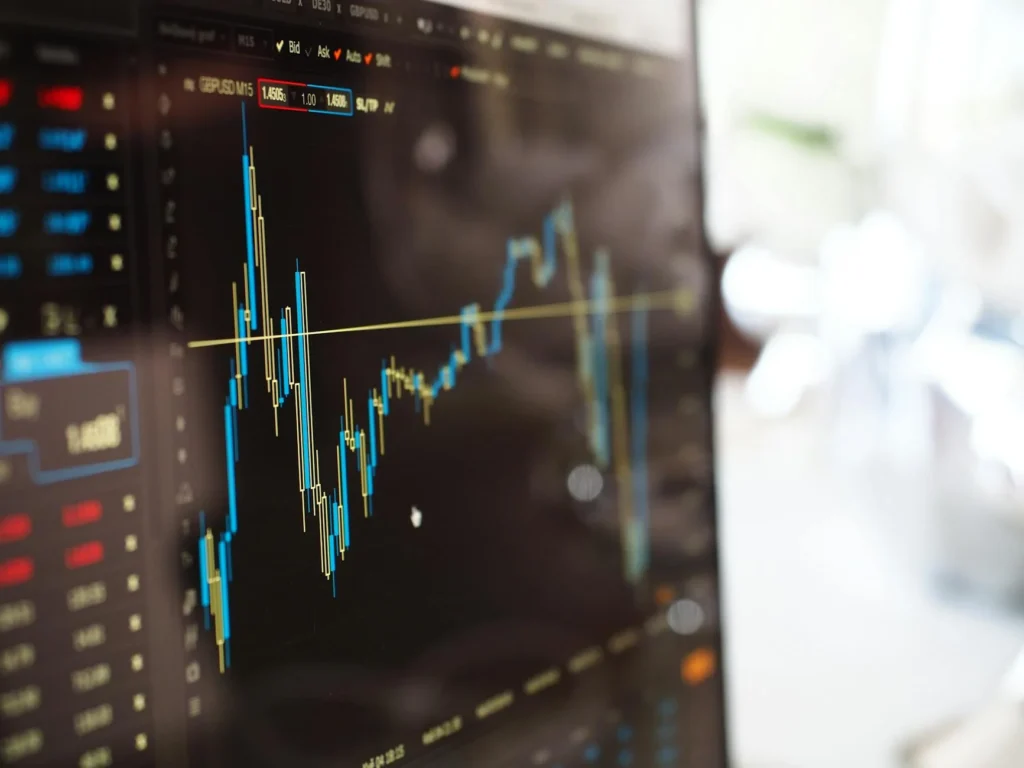
Forex vs. Stock Market Have you ever felt overwhelmed by the sheer number of investment options available? I know I have. As someone who’s been in the trading game for years, I’ve faced the same dilemma you might be experiencing right now: Forex or stocks? It’s a question that’s kept many aspiring traders up at night, and for good reason. The world of trading can be exhilarating, but it can also be intimidating. With the forex market boasting a daily trading volume of $6.6 trillion and the stock market offering opportunities in thousands of companies, it’s easy to feel lost. But don’t worry, I’ve been there, and I’m here to help you navigate these choppy waters. In this blog post, I’ll break down the key differences between forex and stock trading, drawing from my personal experiences and expert insights. We’ll explore what each market entails, their unique characteristics, and most importantly, which one might be the better fit for you. So, whether you’re a seasoned trader looking to diversify or a newbie ready to dip your toes into the trading pool, stick around. By the end of this post, you’ll have a clearer picture of whether to set sail in the vast ocean of forex or anchor yourself in the stock market harbor. Let’s dive in! What Is The Forex Market? The Global Currency Exchange I find the forex market fascinating as it’s the world’s largest financial market. It’s where currencies are traded 24 hours a day, five days a week. Unlike stocks, forex doesn’t have a central exchange, operating instead through a global network of banks and financial institutions. Market Participants and Trading Volume In my experience, the forex market attracts a diverse range of participants. Here’s a breakdown: Participant Type Percentage of Volume Banks 50% Retail Traders 5.5% Institutions 44.5% I’ve observed that the daily trading volume often exceeds $6 trillion, making it incredibly liquid. What Is The Stock Market? I’ve found that the stock market is a fascinating ecosystem where companies sell ownership shares to raise capital. It’s a place where I can invest in businesses I believe in, potentially profiting from their growth over time. Here’s a quick comparison of stock market characteristics: Feature Description Trading Hours Limited (usually 9:30 AM – 4:00 PM EST) Volatility Generally lower than forex Number of Instruments Thousands of stocks available Regulation Strictly regulated by SEC Key Differences Between Forex and Stock Trading A. Asset to Trade I trade currencies in the forex market, while stocks represent ownership in companies. Here’s a quick comparison: Market Asset Traded Example Forex Currency pairs EUR/USD Stocks Company shares Apple (AAPL) B. Trading Hours I find forex trading more flexible due to its 24/5 availability. Stock markets, on the other hand, have specific hours: This round-the-clock access in forex allows me to trade according to my schedule, unlike the fixed hours of stock markets. What Should You Choose, Forex or Stocks? Who Should Consider Trading Forex? I believe forex trading suits those who enjoy fast-paced environments and can handle high volatility. It’s ideal for traders with flexible schedules, as forex markets operate 24/5. Here’s a quick comparison: Trader Type Forex Suitability Day Trader Excellent Swing Trader Good Long-term Limited Who Should Consider Trading Stocks? In my experience, stock trading is better for those who prefer fundamental analysis and longer-term investments. It’s suitable for traders who can dedicate time during standard market hours. Consider stocks if you: FAQs Which market is more suitable for beginners? As a beginner, I find the stock market more suitable due to its slower pace and lower leverage. Here’s a comparison: Aspect Forex Stocks Pace Fast Slower Leverage High Lower Volatility High Moderate Is forex or stock trading more profitable? In my experience, profitability depends on various factors: I’ve found that both markets can be profitable with the right approach and dedication to learning. Conclusion As I’ve explored the world of trading, I’ve come to realize that both forex and stock markets offer unique opportunities for investors. The forex market’s 24-hour accessibility, high liquidity, and potential for leveraging make it an attractive option for those seeking flexibility and quick trades. On the other hand, the stock market’s long-term growth potential and tangible connection to company performance appeal to investors looking for stability and ownership in businesses they believe in. Ultimately, the choice between forex and stocks depends on your personal goals, risk tolerance, and trading style. I encourage you to carefully consider the key differences we’ve discussed and assess which market aligns best with your financial objectives. Remember, successful trading in either market requires dedication, continuous learning, and a solid understanding of market dynamics. Whichever path you choose, always prioritize education, risk management, and responsible trading practices to maximize your chances of success in the exciting world of financial markets.
Bitcoin Drops At $86000 – What’s Next for BTC?

Bitcoin (BTC) has taken a significant hit, dropping nearly 4% in a single day, breaking below a critical support level. The recent decline has left traders wondering whether this is just a temporary correction or the beginning of a larger downtrend. Key Levels Broken – Is This a Bearish Signal? The chart shows that BTC was holding a strong support zone between $92,745 and $93,788, which has now been decisively broken. This level had been tested multiple times in recent weeks, acting as a strong defense for bulls. However, today’s sharp drop suggests that selling pressure has overwhelmed buyers, leading to a breakdown. What Caused the Drop? Several factors could be contributing to Bitcoin’s decline: What’s Next for BTC? With Bitcoin now trading around $87,980, the next important levels to watch are: Will Buyers Step In? Historically, Bitcoin has seen strong buying interest after sharp declines, but it depends on whether bulls regain control soon. A quick bounce back above $92,000 would signal a false breakdown, while continued selling could push BTC lower. Final Thoughts Bitcoin’s breakdown of key support is a concerning sign for the short term. However, crypto markets are highly volatile, and price action over the next few days will be crucial in determining the next trend. Traders should watch for signs of recovery or further weakness before making decisions.
ಫಾರೆಕ್ಸ್ ಮತ್ತು ಕ್ರಿಪ್ಟೋ ಎರಡಕ್ಕೂ ಕೆಲಸ ಮಾಡುವ ಟಾಪ್ 5 ವ್ಯಾಪಾರ ತಂತ್ರಗಳು

ನಾಣ್ಯ ವಿನಿಮಯ (Forex) ಮತ್ತು ಕ್ರಿಪ್ಟೋಕರೆನ್ಸಿ ವ್ಯಾಪಾರದ ಮಾರುಕಟ್ಟೆಯಲ್ಲಿ ಲಾಭವನ್ನು ಹೆಚ್ಚಿಸಲು ಮತ್ತು ಅಪಾಯವನ್ನು ಕಡಿಮೆ ಮಾಡಲು ಸೂಕ್ತವಾದ ವ್ಯೂಹದ ಅಗತ್ಯವಿದೆ. ಪ್ರಾರಂಭಿಕರಾದರೂ ಅಥವಾ ಅನುಭವ ಹೊಂದಿದ ವ್ಯಾಪಾರಿಗಳಾದರೂ, ಉತ್ತಮ ನಿಖರವಾದ ವಿಧಾನವು ತೀರ್ಮಾನಗಳನ್ನು ಸಮರ್ಥವಾಗಿ ತೆಗೆದುಕೊಳ್ಳಲು ಸಹಾಯ ಮಾಡುತ್ತದೆ. ಈ ಲೇಖನದಲ್ಲಿ, Forex ಮತ್ತು ಕ್ರಿಪ್ಟೋ ವ್ಯಾಪಾರ ಎರಡರಿಗೂ ಉಪಯುಕ್ತವಾಗುವ ಐದು ಪರಿಣಾಮಕಾರಿ ವ್ಯಾಪಾರ ತಂತ್ರಗಳನ್ನು ಅನ್ವೇಷಿಸುತ್ತೇವೆ. 1. ಟ್ರೆಂಡ್-ಫಾಲೋಯಿಂಗ್ (Trend-Following) ತಂತ್ರ ಎಲ್ಲाधिक ಜನಪ್ರಿಯ ತಂತ್ರಗಳಲ್ಲಿ ಟ್ರೆಂಡ್-ಫಾಲೋಯಿಂಗ್ ತಂತ್ರ ಪ್ರಮುಖವಾಗಿದೆ. ವ್ಯಾಪಾರಿಗಳು ಮಾರುಕಟ್ಟೆಯ ದಿಶೆಯನ್ನು ಗುರುತಿಸಿ, ಅದರೊಂದಿಗೆ ವ್ಯವಹಾರ ಮಾಡುವ ವಿಧಾನವನ್ನು ಅನುಸರಿಸುತ್ತಾರೆ. ಮೂವಿಂಗ್ ಅವರೆಜಸ್ (Moving Averages), RSI, ಮತ್ತು MACD ಮುಂತಾದ ಸೂಚಕಗಳನ್ನು ಬಳಸುವುದರಿಂದ, ವ್ಯಾಪಾರಿಗಳು ಟ್ರೆಂಡ್ ಅನ್ನು ದೃಢೀಕರಿಸಿ ಅನಗತ್ಯ ಹಾನಿಕರ ವ್ಯವಹಾರಗಳನ್ನು ತಪ್ಪಿಸಬಹುದು. ಈ ತಂತ್ರವು ನಿಯಮಿತ ಮತ್ತು ಶಿಸ್ತುಬದ್ಧ ವ್ಯಾಪಾರದ ಮೆಚ್ಚುಗೆ ಹೊಂದಿದವರಿಗೆ ಸೂಕ್ತವಾಗಿದೆ. 2. ಸ್ಕಾಲ್ಪಿಂಗ್ (Scalping) ತಂತ್ರ ಸ್ಕಾಲ್ಪಿಂಗ್ ತಂತ್ರವು ಹೆಚ್ಚಿನ ತ್ವರಿತ ವ್ಯವಹಾರಗಳಿಂದ ಸಣ್ಣ ಲಾಭ ಗಳಿಸಲು ಅನುಕೂಲಕರವಾಗಿದೆ. Forex ಮತ್ತು ಕ್ರಿಪ್ಟೋ ಮಾರುಕಟ್ಟೆಯಲ್ಲಿ ಬೆಲೆಗಳು ತ್ವರಿತವಾಗಿ ಬದಲಾಗುತ್ತವೆ, ಇದನ್ನು ಸದುಪಯೋಗಪಡಿಸಿಕೊಂಡು ಈ ತಂತ್ರವನ್ನು ಅನುಸರಿಸಲಾಗುತ್ತದೆ. ಸ್ಕಾಲ್ಪಿಂಗ್ ವ್ಯಾಪಾರಿಗಳು ಸಾಮಾನ್ಯವಾಗಿ 1-ನಿಮಿಷದಿಂದ 5-ನಿಮಿಷದ ಚಾರ್ಟ್ಗಳನ್ನು ಬಳಸುತ್ತಾರೆ ಹಾಗೂ ಹೆಚ್ಚಿನ ಲಿಕ್ವಿಡಿಟಿ ಹೊಂದಿರುವ ಆಸ್ತಿಗಳನ್ನು ಆಯ್ಕೆ ಮಾಡುತ್ತಾರೆ. ಈ ತಂತ್ರದಲ್ಲಿ ಜೋಕ್-ನಷ್ಟ (Stop-Loss) ಮತ್ತು ಲಾಭ-ನಿಗದಿ (Take-Profit) ಮಟ್ಟಗಳನ್ನು ಕಟ್ಟುನಿಟ್ಟಾಗಿ ಪಾಲಿಸಲು ಅಗತ್ಯವಿದೆ. 3. ಸ್ವಿಂಗ್ ವ್ಯಾಪಾರದ (Swing Trading) ತಂತ್ರ ಸ್ವಿಂಗ್ ವ್ಯಾಪಾರವು ಮಧ್ಯಮಾವಧಿಯ ತಂತ್ರವಾಗಿದ್ದು, ಕೆಲವು ದಿನಗಳು ಅಥವಾ ವಾರಗಳವರೆಗೆ ಬೆಲೆಯ ಏರುಪೇರಿಗಳಿಂದ ಲಾಭ ಪಡೆಯಲು ಅನುಕೂಲಕರವಾಗಿದೆ. ಸಪೋರ್ಟ್ ಮತ್ತು ರೆಸಿಸ್ಟೆನ್ಸ್ ಮಟ್ಟಗಳು, ಬ್ರೇಕೌಟ್, ಪುಲ್ಬ್ಯಾಕ್ ಮುಂತಾದ ಅಂಶಗಳನ್ನು ಗುರುತಿಸುವುದರ ಮೇಲೆ ಈ ತಂತ್ರ ಅವಲಂಬಿತವಾಗಿದೆ. RSI, ಬೋಲ್ಲಿಂಜರ್ ಬ್ಯಾಂಡ್ಸ್ (Bollinger Bands), ಮತ್ತು ಫಿಬೋನಾಚಿ ರಿಟ್ರೇಸ್ಮೆಂಟ್ ಮುಂತಾದ ತಂತ್ರಜ್ಞಾನ ಸೂಚಕಗಳನ್ನು ಬಳಸಿಕೊಂಡು, ಸರಿಯಾದ ಪ್ರವೇಶ ಮತ್ತು ನಿರ್ಗಮನ ಬಿಂದುಗಳನ್ನು ನಿರ್ಧರಿಸಲಾಗುತ್ತದೆ. ದಿನನಿತ್ಯದ ವ್ಯಾಪಾರದ ಒತ್ತಡವನ್ನು ತಪ್ಪಿಸಲು ಈ ತಂತ್ರ ಉತ್ತಮ ಆಯ್ಕೆಯಾಗಿದೆ. 4. ಬ್ರೇಕೌಟ್ ವ್ಯಾಪಾರದ (Breakout Trading) ತಂತ್ರ ಬ್ರೇಕೌಟ್ ವ್ಯಾಪಾರದ ತಂತ್ರವು ಬೆಲೆ ಮುಖ್ಯವಾದ ಸಪೋರ್ಟ್ ಅಥವಾ ರೆಸಿಸ್ಟೆನ್ಸ್ ಮಟ್ಟಗಳನ್ನು ಉಲ್ಲಂಘಿಸಿದಾಗ ವ್ಯಾಪಾರಕ್ಕೆ ಪ್ರವೇಶಿಸುವುದನ್ನು ಒಳಗೊಂಡಿರುತ್ತದೆ. ಇದು Forex ಮತ್ತು ಕ್ರಿಪ್ಟೋ ಮಾರುಕಟ್ಟೆಯಲ್ಲಿ ಪರಿಣಾಮಕಾರಿಯಾಗಿದೆ, ಏಕೆಂದರೆ ಬ್ರೇಕೌಟ್ಗಳು ಸಾಮಾನ್ಯವಾಗಿ ಬಲವಾದ ಬೆಲೆಯ ಚಲನೆಗಳಿಗೆ ಕಾರಣವಾಗುತ್ತವೆ. ವ್ಯಾಪಾರಿಗಳು ವಾಲ್ಯೂಮ್ ವಿಶ್ಲೇಷಣೆ, ಬೋಲ್ಲಿಂಜರ್ ಬ್ಯಾಂಡ್ಸ್, ಮತ್ತು ಟ್ರೆಂಡ್ಲೈನ್ಗಳು ಮುಂತಾದ ಉಪಕರಣಗಳನ್ನು ಬಳಸಿಕೊಂಡು ಬ್ರೇಕೌಟ್ ಸೂಚನೆಗಳನ್ನು ದೃಢೀಕರಿಸುತ್ತಾರೆ. ಸುಳ್ಳು ಬ್ರೇಕೌಟ್ಗಳಿಂದ ತಪ್ಪಿಸಿಕೊಳ್ಳಲು ಸಹನಶೀಲತೆ ಮತ್ತು ಸೂಕ್ತ ಅಪಾಯ ನಿರ್ವಹಣಾ ತಂತ್ರವನ್ನು ಪಾಲಿಸುವುದು ಅಗತ್ಯ. 5. ರೇಂಜ್ ವ್ಯಾಪಾರದ (Range Trading) ತಂತ್ರ ರೇಂಜ್ ವ್ಯಾಪಾರದ ತಂತ್ರವು ಮಾರುಕಟ್ಟೆ ನಿರ್ದಿಷ್ಟ ಶ್ರೇಣಿಯ ಒಳಗೇ ಚಲಿಸುತ್ತಿರುವಾಗ ಬಳಕೆಯಾಗುತ್ತದೆ. ಈ ತಂತ್ರದಲ್ಲಿ ವ್ಯಾಪಾರಿಗಳು ಸಪೋರ್ಟ್ ಮಟ್ಟದಲ್ಲಿ ಖರೀದಿಸುತ್ತಾರೆ ಮತ್ತು ರೆಸಿಸ್ಟೆನ್ಸ್ ಮಟ್ಟದಲ್ಲಿ ಮಾರುತ್ತಾರೆ, ಇದರಿಂದಾಗಿ ಬೆಲೆ ಪುನರಾವೃತ್ತವಾಗುವ ಮೂಲಕ ಲಾಭ ಪಡೆಯಲು ಸಾಧ್ಯ. ಮಾರುಕಟ್ಟೆ ಉಲ್ಟಾ ಅಥವಾ ಡೌನ್ಟ್ರೆಂಡ್ ನಿದರ್ಶನ ನೀಡದಿದ್ದರೆ, ಈ ತಂತ್ರ ಪರಿಣಾಮಕಾರಿ. RSI ಮತ್ತು ಸ್ಟೋಕ್ಯಾಸ್ಟಿಕ್ ಆಸ್ಕಿಲೇಟರ್ (Stochastic Oscillator) ಮುಂತಾದ ತಾಂತ್ರಿಕ ಸೂಚಕಗಳು ಖರೀದಿ ಮತ್ತು ಮಾರಾಟದ ಅನುಕೂಲಕರ ಶರತ್ಗಳನ್ನು ಗುರುತಿಸಲು ಸಹಾಯ ಮಾಡುತ್ತವೆ. ತೀರ್ಮಾನ ಸರಿ ಸೂಕ್ತವಾದ ವ್ಯಾಪಾರ ತಂತ್ರವನ್ನು ಆಯ್ಕೆ ಮಾಡುವುದು ನಿಮ್ಮ ಅಪಾಯ ಸಾಮರ್ಥ್ಯ, ವ್ಯಾಪಾರದ ಶೈಲಿ ಮತ್ತು ಮಾರುಕಟ್ಟೆಯ ಪರಿಸ್ಥಿತಿಯ ಮೇಲೆ ಅವಲಂಬಿತವಾಗಿದೆ. ನೀವು ಕಡಿಮೆ ಅವಧಿಯ ಸ್ಕಾಲ್ಪಿಂಗ್ ಅಥವಾ ಹೆಚ್ಚು ಅವಧಿಯ ಸ್ವಿಂಗ್ ವ್ಯಾಪಾರವನ್ನು ಪ್ರಾಶಸ್ತ್ಯ ನೀಡಿದರೂ, ಈ ತಂತ್ರಗಳೆಲ್ಲವೂ Forex ಮತ್ತು ಕ್ರಿಪ್ಟೋ ವ್ಯಾಪಾರದ ಯಶಸ್ಸಿಗೆ ಸಹಕಾರಿಯಾಗಬಹುದು. ಈ ತಂತ್ರಗಳನ್ನು ಸರಿಯಾಗಿ ಅರ್ಥಮಾಡಿಕೊಳ್ಳಿ, ಅನುಸರಿಸಿ, ಮತ್ತು ನಿಮ್ಮ ವ್ಯಾಪಾರದ ನಿರ್ಧಾರಗಳನ್ನು ಸುಧಾರಿಸಿ! 🚀 follow for more click here
Top 5 Forex and Crypto Trading Strategies That Work for Both

Trading in the Forex and cryptocurrency markets requires a well-planned strategy to maximize profits and minimize risks. Whether you’re a beginner or an experienced trader, having a solid approach can help you make informed decisions. In this article, we’ll explore five effective trading strategies that work for both Forex and crypto trading. 1. Trend-Following Strategy One of the most popular strategies is the trend-following strategy, where traders identify the market direction and trade in alignment with the trend. By using indicators like moving averages, RSI, and MACD, traders can confirm trends and avoid counterproductive trades. This strategy is ideal for those who prefer a systematic approach to trading. 2. Scalping Strategy Another effective strategy is scalping, which involves making small profits from frequent trades. This short-term trading technique works well in highly volatile markets, such as Forex and crypto, where price movements occur rapidly. Scalpers typically use 1-minute to 5-minute charts and focus on high-liquidity assets while setting tight stop-loss and take-profit levels to manage risks. 3. Swing Trading Strategy Swing trading is a medium-term strategy that allows traders to capitalize on price swings over several days or weeks. This strategy is based on identifying support and resistance levels, breakouts, and pullbacks. Traders often use technical indicators like RSI, Bollinger Bands, and Fibonacci retracement to determine the best entry and exit points. Swing trading is ideal for those who want to avoid the stress of daily trading while still taking advantage of market movements. 4. Breakout Trading Strategy The breakout trading strategy involves entering the market when the price breaks through key support or resistance levels. Breakouts often lead to strong price movements, making this strategy highly effective in both Forex and crypto markets. Traders use tools like volume analysis, Bollinger Bands, and trendlines to confirm breakout signals. Successful breakout trading requires patience and proper risk management to minimize false breakouts. 5. Range Trading Strategy The range trading strategy is used when the market is moving within a specific range without forming a clear trend. Traders buy at support levels and sell at resistance levels, profiting from repeated price fluctuations. This strategy is particularly useful in sideways markets, where prices do not show a strong upward or downward trend. Technical indicators such as the RSI and Stochastic Oscillator help traders confirm overbought and oversold conditions, making it easier to execute profitable trades. Conclusion Choosing the right trading strategy depends on your risk tolerance, trading style, and market conditions. Whether you prefer short-term scalping or longer-term swing trading, each of these strategies offers unique advantages for both Forex and crypto trading. By understanding and applying these techniques effectively, traders can improve their chances of success in the financial markets. FOR MORE CLICK HERE